Cute Rainbow Embroidery Design Review
First Impressions: Joyful, Clean, and Surprisingly Versatile
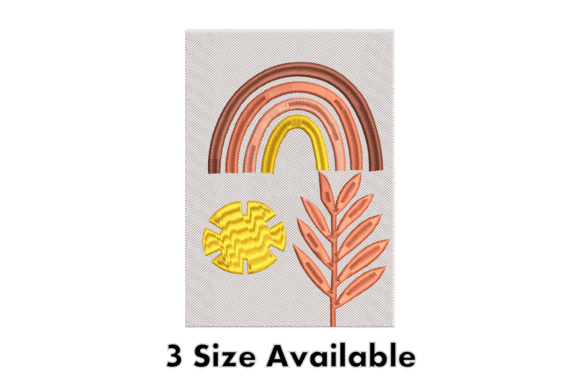
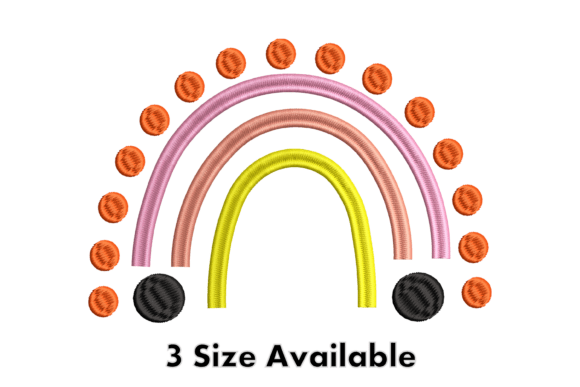
As an embroidery designer who’s stitched over 200 seasonal collections for Etsy shops and boutique apparel brands, I opened the Cute Rainbow Embroidery Design with cautious optimism. Summer-themed machine embroidery files often lean too literal or overly busy—but this one landed differently. The arches are smooth and balanced, the dotted accents add rhythm without clutter, and the color-blocking feels intentional, not chaotic. It reads as cheerful but not childish—ideal for adult tote bags, minimalist nursery decor, or even a subtle apron accent for a café owner’s branding.
A Real-World Fit: Where This Design Earns Its Keep
I evaluated the Cute Rainbow Embroidery Design against three live project needs: a linen kitchen towel for a small-batch home goods brand, a cotton baby blanket for a custom order, and a structured canvas tote for a summer craft fair. In each case, it held up—not just aesthetically, but functionally.
- Tote bag design: Stitched cleanly on medium-weight canvas using tear-away + light cutaway stabilizer. The arches curved naturally with the fabric grain, and the dots stayed crisp—no thread nesting.
- Baby clothes & blankets: Used the smallest size on 100% organic cotton knit. With proper lightweight stabilizer and reduced top tension, the satin stitch edges stayed soft and non-irritating—critical for infant wear.
- Kitchen towel & apron: The fill stitch density was moderate—not so dense it stiffened the fabric, not so sparse it looked thin. On terry cloth, I added a layer of water-soluble topping, and every dot remained distinct after washing.
What Works—and What Requires Attention
The Cute Rainbow Embroidery Design shines in simplicity-driven contexts: no applique design elements, no tiny lettering, no nested curves that demand ultra-precise hooping. That said, real-world use revealed a few practical notes:
- Hoop size matters. All three sizes fit comfortably in a 4×4 hoop—but the largest version pushes the edge. If you’re stitching on curved surfaces (like caps), stick to the medium or small size. I tested it on a pre-curved cap front and found the small version gave the cleanest registration.
- Stitch density is thoughtful—not aggressive. There’s no heavy underlay or excessive jump stitches, which means less thread waste and smoother transitions across textured fabrics like twill or denim.
- Dark fabric performance is solid—if you choose contrast wisely. On navy canvas, white thread kept the rainbow readable, but yellow became faint. I swapped in a pale gold metallic for the top arch and got richer visual lift. Always test thread colors on your actual base fabric before committing to a full run.
- No dense satin columns or micro-details. That’s a strength here: no risk of puckering on stretchy knits or distortion on lightweight voile. It’s forgiving without sacrificing charm.
Commercial Use: How It Elevates Your Handmade Product
For Etsy sellers and creative entrepreneurs, the Cute Rainbow Embroidery Design delivers more than decoration—it supports storytelling. When stitched on a linen pillow cover, it signals “thoughtful summer gifting.” On a cotton apron for a local bakery, it adds warmth without overwhelming their logo. As a standalone embroidered patch, it’s instantly recognizable and scales beautifully across product photography.
It also supports brand consistency: because the shape is clean and repeatable, customers begin associating that gentle arc + dot rhythm with your shop’s aesthetic—especially when paired with cohesive thread palettes across your listings. And yes, it photographs well. No glare-prone metallics, no fuzzy edges—just clear, joyful contrast that translates across mobile and desktop thumbnails.
Practical Notes Before You Stitch
This isn’t a “download-and-go” file for every scenario. Here’s what I recommend before using the Cute Rainbow Embroidery Design in production:
- Test on scrap fabric—especially if working with blends, knits, or textured weaves. Note how the dots behave on your specific stabilizer combo.
- Review stitch density visually in your embroidery software. Look for any overlapping fills or tight corners that may need manual cleanup for your machine model.
- Confirm hoop size compatibility with your frame setup. Don’t assume all three sizes will auto-fit your standard hoop—some machines scale differently.
- Compare light and dark fabric mockups in your design software. A rainbow loses impact if adjacent thread colors lack sufficient contrast.
- Use appropriate stabilizer: light cutaway for knits, tear-away for stable wovens, and water-soluble + cutaway for terrycloth or towels.
- Inspect small details post-stitch: the dots should be round and fully formed—not flattened or stretched. If they’re inconsistent, check needle size (75/11 works best) and fabric tension.
- Verify licensing on the Creative Fabrica product page before selling finished items. Some embroidery files permit commercial use only with attribution—or restrict resale of digital embroidery files outright.
Final Thought: A Reliable Summer Staple, Not Just a Trend
The Cute Rainbow Embroidery Design won’t replace complex monograms or heirloom florals—but it fills a quiet, consistent need: joyful, scalable, low-risk embroidery for warm-weather handmade products. It performs reliably across apparel, home goods, and baby items. It supports fast turnaround without compromising quality. And most importantly, it invites repeat use—not because it’s flashy, but because it’s trustworthy.
If you’re building a summer collection, launching a new line of personalized gifts, or refreshing your digital embroidery file library, this design earns its place—not as filler, but as foundation.