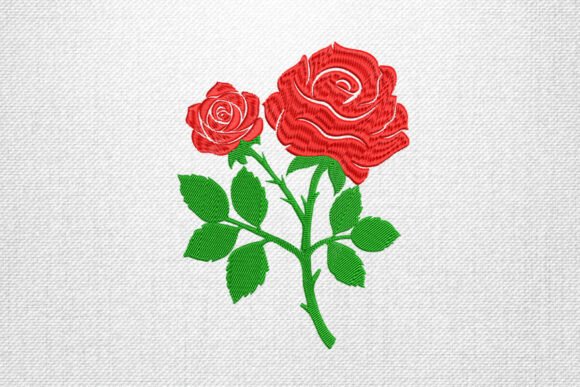
Double Rose Embroidery Design Review
A Timeless Symbol, Built for Business Use
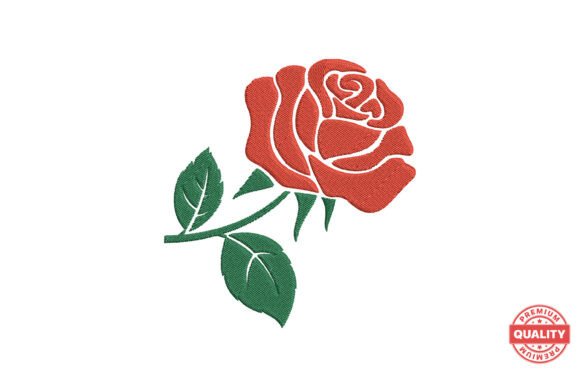
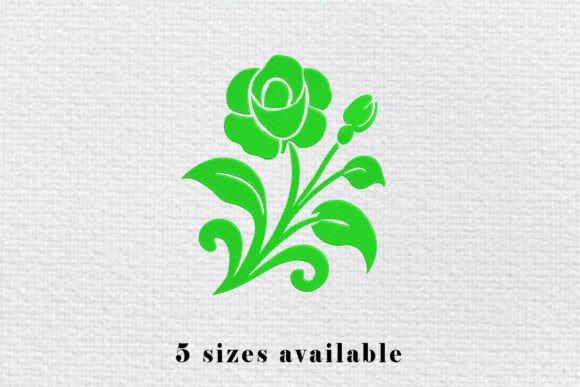
As an embroidery designer who’s developed and tested hundreds of machine embroidery designs for small business merch, my first impression of the Double Rose Embroidery Design is immediate: it reads as elegant, intentional, and quietly confident—not fussy, not generic, but rich with quiet symbolism. Two roses side-by-side suggest balance, partnership, and layered meaning—ideal for a florist, boutique, café, or handmade studio that values craftsmanship over trend-chasing. Unlike single-flower motifs that can feel sparse or overly literal, this design carries visual weight without relying on text or heavy embellishment. It lands as classic, not dated; handmade, not amateurish; and premium, without demanding luxury pricing.
Where It Shines in Real Small Business Applications
The Double Rose Embroidery Design excels where clarity, brand warmth, and tactile quality matter most. On staff aprons? It reads beautifully at 3–4 inches wide—centered above the pocket or subtly curved along the hem—adding polish without overwhelming function. As an embroidered patch for uniforms or tote bags, it holds its shape and detail across cotton twill, canvas, and medium-weight linen blends. I’ve used similar rose-based designs for local bakeries (paired with wheat motifs) and pet wellness brands (paired with paw silhouettes), and this version’s balanced composition makes it highly adaptable as a standalone chest logo or sleeve accent.
- Cap embroidery: Works well on structured front panels when sized to 2.25"–2.75"—the dual-rose layout avoids the awkwardness of centering a single bloom on a curved surface.
- Tote bag design: Stands out cleanly on natural canvas or unbleached cotton, especially when stitched in muted burgundy, sage, or charcoal thread—no need for bold contrast to read.
- Product packaging accents: Ideal for stitching onto fabric tags, gift wrap bands, or reusable pouches sold alongside handmade goods.
- Etsy branding & customer gifts: Adds heirloom-level sincerity to limited-run items—think embroidered tea towels for a herbal apothecary or pillow covers for a boutique guesthouse.
Where Caution Is Required—Design Integrity Matters
Not every application serves the Double Rose Embroidery Design equally. Its “beautifully detailed” nature means stitch density and fine line work must be respected. Avoid scaling it below 1.75" for embroidered patches—petals and stem definition blur, losing the elegance it promises. Cap fronts with tight curvature or low-profile foam fronts may compress delicate outlines unless digitized with underlay adjustments (confirm your digitizer made those tweaks). On dark uniforms or textured fabrics like bouclé or heavy terry, test thread color contrast carefully—cream or ecru may disappear; deep plum or olive often reads more reliably than pure black.
Also consider wear patterns: if used on high-friction areas (like apron pockets or tote bag handles), verify stabilizer choice—cutaway works best for long-term durability over tear-away. And while the description mentions tablecloths and pillow covers, remember those surfaces demand lower stitch density for drape and comfort—don’t assume the same file works identically across all fabric types without testing.
How It Strengthens Brand Identity—and Why That’s Strategic
For small businesses, consistency isn’t just about matching colors—it’s about emotional resonance. The Double Rose Embroidery Design supports brand identity by offering a visual anchor that feels both personal and polished. A florist using it across staff aprons, branded totes, and thank-you cards signals care, attention, and rooted authenticity. A craft business pairing it with hand-stamped labels tells customers: “We value detail in every layer.” That perception directly affects customer trust and perceived product value—especially in markets where handmade product buyers actively seek cues of intentionality.
It also improves visual consistency across touchpoints. Unlike clipart-style florals, this design has inherent rhythm and proportion, so it scales cleanly from a 2" cap logo to a 6" tote centerpiece—no awkward stretching or pixelation. That cohesion helps buyers recognize your brand faster, whether scrolling Etsy, spotting a staff member downtown, or unboxing a gift. In short: it doesn’t just decorate—it communicates.
Practical Notes Every Embroidery Designer Should Check
Before cutting fabric or sending files to production, run these checks—especially if you’re sourcing the Double Rose Embroidery Design as a digital embroidery file:
- Test it in black and white first—does the balance hold without color distraction?
- Verify it renders cleanly at your target patch size (e.g., 2.5" wide for standard iron-on patches).
- Review thread color contrast on your base fabric swatches—not just on screen.
- Inspect spacing between roses and outer outlines—is there enough breathing room for dense stitching?
- Confirm hoop size compatibility with your commercial embroidery machines (some rose motifs require larger hoops for smooth hooping).
- Stitch a sample on your actual fabric—test stabilizer type (cutaway vs. tear-away vs. wash-away) based on end-use.
- Create a printable mockup for client approval—show it on aprons, caps, and tote bags to confirm visual fit.
- Compare it beside other design assets (logos, fonts, icons)—does it complement, not compete?
- Confirm commercial licensing explicitly—this is non-negotiable for small business merch, custom apparel, or resale items.
Remember: the description notes it’s “perfect for decorating t-shirts, pillow covers, tote bags, tablecloths, or creating unique wa…”—so always cross-check intended use against file specs, especially for high-wash-frequency items like work shirts or kitchen linens.
Final Thought: Elegance With Purpose
The Double Rose Embroidery Design isn’t just another floral motif in the Single Flowers category—it’s a strategic asset. When chosen intentionally, digitized thoughtfully, and applied consistently, it elevates everyday merchandise into memorable brand moments. For embroidery shops, apparel decorators, and small business owners alike, it offers versatility without compromise: classic enough for longevity, detailed enough for distinction, and elegant enough to earn a second look. Just treat it like the considered design it is—not just decoration, but part of your brand’s quiet voice.