Heart Gift Embroidery Design
A Designer’s First Look: Charm Without Clutter
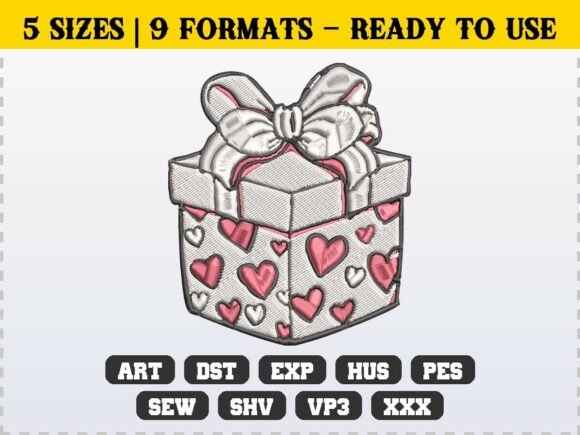
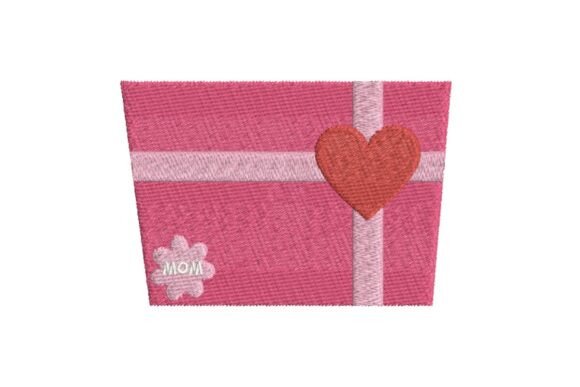
When I opened the Heart Gift Embroidery Design file, what struck me first wasn’t technical precision—it was warmth. This isn’t a fussy, over-rendered heart; it’s a gently rounded, gift-wrapped heart with subtle ribbon detail and soft contours. The shape reads clearly at a glance, even in thumbnail size—critical when you’re scrolling through Etsy listings or prepping digital mockups for a boutique client. It feels handmade, not mass-produced: the satin stitch edges are clean but not rigid, and the fill areas breathe just enough to avoid that dense, plasticky look that ruins delicate fabrics like baby onesies or linen tea towels.
Where It Shines: Real Projects, Real Customers
Last week, I stitched the Heart Gift Embroidery Design onto a natural cotton tote for a local mom-owned café’s Mother’s Day pop-up. We placed it centered on the front panel, sized to the medium option (about 3.5″ wide), using matte burgundy thread on cream canvas. The result? Instant recognition—customers paused, smiled, and asked where they could order one. That’s the quiet power of this design: it communicates “thoughtful gift” without words. It works equally well on sweatshirt cuffs (small size), pillow covers (large), and embroidered patches (medium with heat-seal backing). As a machine embroidery design, it holds up across custom apparel, nursery decor, and small shop merchandise—especially when paired with minimalist branding or soft-toned packaging.
Why Craft Business Owners Will Reach for It Again
- Scalable storytelling: The five sizes mean one purchase supports multiple product lines—think baby onesies (tiny), aprons (medium), and holiday blankets (extra-large).
- Emotional resonance: It lands softly but memorably—ideal for personalized gifts where sentiment matters more than flash.
- Etsy-ready simplicity: Clean outlines and balanced negative space make it easy to photograph, pair with neutral backdrops, and convert into printable mockups for your listings.
Where to Pause—and Test First
This isn’t a “set-and-forget” embroidery file. Its charm lives in its subtlety, and that demands attention before stitching on final goods. On textured fabrics like terry cloth or bouclé knit, the ribbon detail can blur—so I recommend testing on scrap fabric first, especially if you’re planning sweatshirt embroidery or baby embroidery on fleece-lined items. Thin or stretchy fabrics (like jersey tees) need light cutaway stabilizer underneath and possibly reduced top tension to keep the satin stitch from puckering. And while the design avoids tiny lettering or needle-thin stems, the bow loops sit close to the edge—if you’re hooping curved surfaces like caps, confirm the hoop size allows full clearance around those curves.
Fabric & Finish Considerations
On dark fabric, the design gains quiet elegance—especially with tonal thread (e.g., charcoal gray on navy denim), but avoid ultra-low-contrast combos unless you’re aiming for understated texture over legibility. For frequent-wash items like kitchen towels or kids’ clothes, check stitch density: too much fill stitch in the heart body can stiffen fabric over time. A quick run through your embroidery software’s density tool helps—you want coverage, not compression. And yes, it works on layered garments (think reversible zip hoodies), but always test stabilizer pairing: tear-away alone won’t hold up on double-layer cotton blends—add a light fusible layer beneath.
What It Adds to Your Finished Product
It elevates perceived value—not through complexity, but through intentionality. A customer buying a handmade product with the Heart Gift Embroidery Design doesn’t just see a heart; they see care, occasion-awareness, and quiet craftsmanship. That builds trust faster than any tagline. For Etsy sellers and small shop owners, it strengthens brand consistency when used across seasonal collections—Mother’s Day, Valentine’s Day, birthdays—without feeling repetitive. And because it avoids trendy fonts or dated motifs, it stays fresh across years of holiday embroidery and commercial embroidery projects.
Designer Notes You’ll Actually Use
- Always run a test stitch on scrap fabric matching your final project’s weight and weave.
- Check thread color contrast on both light and dark backgrounds—what reads beautifully on ivory may vanish on oatmeal.
- Review the fill stitch direction in the heart body: does it flow naturally, or create unintended texture?
- Use proper stabilizer—especially for applique design variations or high-thread-count linens.
- Confirm licensing terms before selling finished products or bundling the embroidery file as part of a craft business toolkit.
- Try a black-and-white mockup: if the silhouette reads cleanly without color, you’ve got a strong design asset.
Final Thought: Not Just Another Heart
In a sea of generic hearts, the Heart Gift Embroidery Design stands out by doing less—and meaning more. It doesn’t shout. It nestles into a project like a quiet promise: that this item was made with someone in mind. Whether you’re stitching a last-minute personalized gift or building a cohesive line of holiday embroidery for your small shop, this design earns its place—not because it’s flashy, but because it’s thoughtful, adaptable, and quietly professional. That’s the kind of embroidery file that gets reordered, recommended, and remembered.