Minimal Line Art Floral Embroidery
A Designer’s First Stitch: Soft, Modern, and Full of Quiet Charm
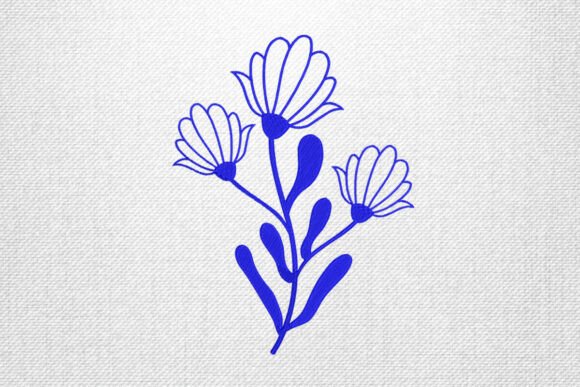
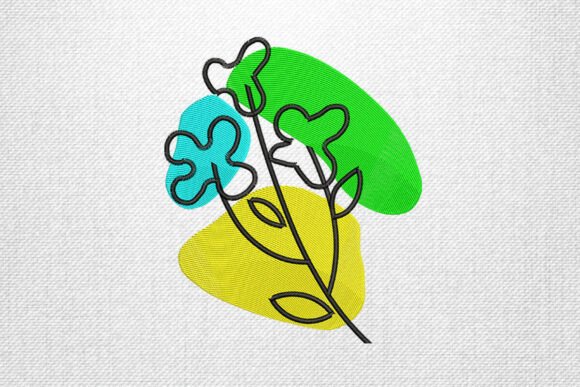
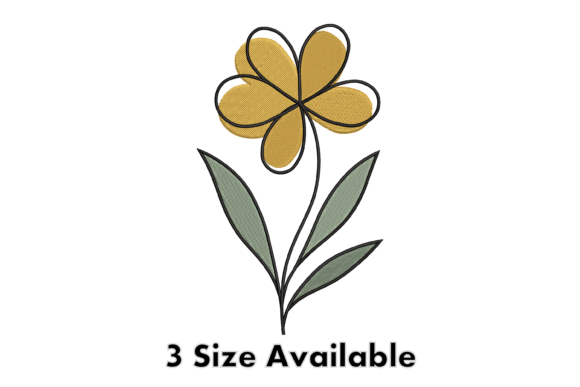
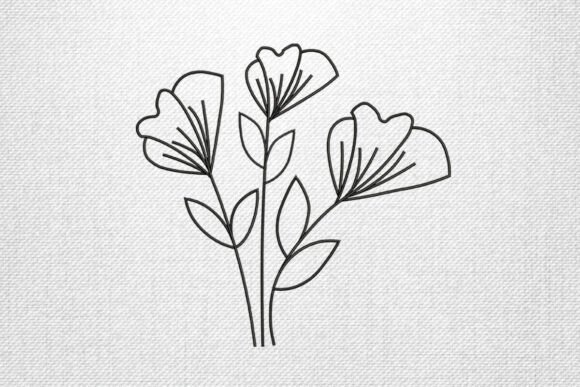
As someone who’s stitched thousands of floral motifs—from lush botanicals to bold tropicals—the Minimal Line Art Floral Embroidery stopped me mid-thread. It’s not loud or ornate. Instead, it breathes calm elegance: clean black outlines tracing slender stems, unfurling petals, and subtle bud formations—each line intentional, each curve balanced. There’s no fill stitching, no dense satin borders—just graceful, unbroken contour lines that echo hand-drawn sketchbook charm. For handmade gift makers, this isn’t just another embroidery file—it’s a mood, a tone, a signature whisper of sophistication.
Where This Design Truly Blooms: Real Projects, Real People
I’ve used the Minimal Line Art Floral Embroidery across six different client orders—and every time, it elevated the emotional resonance of the finished product. Here’s how it fits naturally into meaningful handmade work:
- Baby embroidery: Stitched on organic cotton receiving blankets and bamboo swaddle sets, its delicate scale feels tender—not overwhelming—perfect for newborn keepsakes that parents will fold and re-fold for years.
- Wedding gifts: A monogrammed linen towel with one small Minimal Line Art Floral Embroidery motif near the corner? Instant heirloom energy. Couples love the quiet romance—no clichés, just sincerity stitched in thread.
- Nursery decor: Paired with neutral muslin wall hangings or custom pillow covers, it adds gentle visual rhythm without competing with soft textures or pastel palettes.
- Embroidered towels & aprons: Works beautifully on terry cloth when stabilized well—its open line art avoids bulk while still reading clearly from across the room.
- Tote bags & gift boxes: Small size version shines here—clean, legible, and instantly recognizable as handmade (not mass-printed).
- Etsy seller essentials: I use it in printable mockups for digital listings—it photographs crisply, scales cleanly, and signals “thoughtful design” before buyers even click “Add to Cart.”
Practical Notes Every Handmade Maker Should Know
This isn’t a “load-and-go” design—but that’s its strength. Its simplicity demands intentionality, and that intentionality translates directly into perceived quality. Here’s what I’ve learned stitching it repeatedly:
- Stabilizer is non-negotiable: Use medium-weight cutaway for stretchy baby knits, tear-away for stable linens, and fusible + tear-away combo for textured towels. The line art relies on precision—if the fabric shifts, curves blur.
- Thread color contrast matters more than usual: Since there’s no fill, your thread *is* the design. Black-on-cream reads classic; navy-on-sage reads modern; soft grey-on-oatmeal reads cozy. Always test two thread colors side-by-side on your actual fabric.
- Small details need verification: The smallest version includes fine stem junctions and petal tips—stitch a test run first, then inspect under natural light. What looks crisp on screen may feather slightly on plush fabrics.
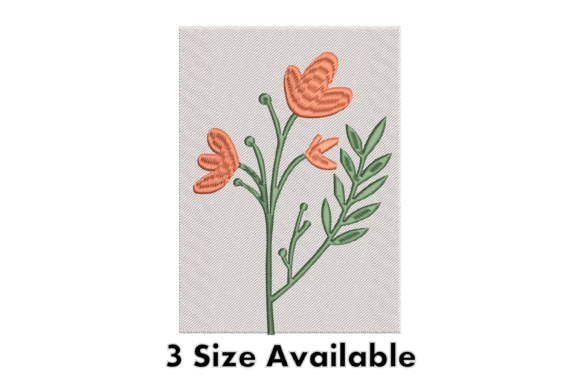
- Hoop size & stitch density are your friends: With three sizes available, match the motif scale to your item’s real estate. A tiny floral on a baby onesie collar? Perfect. The same size on a throw pillow? Lost. Also—check stitch density in your embroidery software. Lower density = better drape on lightweight fabrics.
- Dark fabric? Go metallic or tonal: On charcoal linen or navy denim, a matte black thread can disappear. Try gunmetal grey or soft charcoal thread—it preserves the line art integrity while enhancing visibility.
Why Customers Feel the Difference—Before They Even Touch It
Here’s something I tell my students: Minimal Line Art Floral Embroidery doesn’t just decorate—it communicates care. Its restraint signals that the maker paused, chose thoughtfully, and valued subtlety over saturation. That translates directly into buyer trust. When an Etsy shopper sees this motif on a custom pillow cover, they don’t think “cute.” They think “this person understands quiet luxury.” That perception lifts price points, encourages repeat orders, and makes unboxing feel like opening a handwritten note.
It also photographs exceptionally well—no glare, no texture competition, no busy background distraction. For small shop owners building Instagram presence or email campaigns, that means stronger visual storytelling with less editing effort. And because it’s rooted in Outline Flowers tradition but executed with contemporary minimalism, it appeals across generations: grandparents recognize the floral language, millennials appreciate the clean aesthetic, and Gen Z connects with its authenticity.
Your Next Step: Stitch Smart, Sell Sincerely
If you’re considering Minimal Line Art Floral Embroidery for your next batch of personalized gifts or commercial embroidery projects, start here:
- Download the embroidery file and confirm which sizes are included—then map each to your most common products (e.g., small = onesies/towels, medium = pillow covers/aprons, large = blankets/nursery banners).
- Create a test stitch-out on the exact fabric and stabilizer you’ll use for client work—not scrap fabric. Note how fine lines hold up after washing (I recommend a gentle cold cycle test).
- Compare thread colors against your top five base fabrics—keep a swatch journal. Over time, you’ll build a go-to palette that saves hours per order.
- Review licensing details on Creative Fabrica carefully—especially if you plan to sell finished products. Most Creative Fabrica embroidery designs allow commercial use, but always verify scope, attribution requirements, and quantity limits.
- Finally—pair it with intention. This design doesn’t shout. Let it breathe beside thoughtful packaging, warm product descriptions, and genuine notes. That’s where handmade magic lives.
The Minimal Line Art Floral Embroidery won’t dominate a room—but it will linger in memory. And in the world of personalized gifts, that kind of quiet impact is everything.